
Interesting Facts about Garter Snakes reveal just how unique and adaptable these reptiles are. Found across North America, garter snakes are among the most common yet fascinating creatures in the wild. Despite their harmless nature, their behaviors and survival skills make them truly remarkable. Let’s explore 10 amazing facts about these slender, colorful snakes. These Interesting Facts about Garter Snakes remind us how fascinating and vital these reptiles are to the ecosystem. Understanding these Interesting Facts about Garter Snakes helps people appreciate their beauty and importance in nature.
1. Size Matters: How Big Do Garter Snakes Get?

Garter snakes vary in size depending on the region and species. Most grow between 18 to 26 inches, but some individuals can reach lengths of 4 feet or more. Warmer climates and abundant food help them grow larger, while cooler regions often have smaller snakes.
2. Tiny Appetites: What Do Baby Garter Snakes Eat?

Baby garter snakes, called snakelets, have simple diets that include earthworms, slugs, and small insects. As they mature, they start eating frogs, fish, and even small rodents. Their appetite increases rapidly as they grow, helping them survive in diverse habitats.
3. Habitat Haven: Where Do They Live?

One of the most interesting facts about garter snakes is their ability to live almost anywhere. You can find them in grasslands, forests, wetlands, and even gardens. They love moist areas near ponds or rivers, where food is plentiful and hiding spots are easy to find.
4. Garter Snake Bite: Are They Dangerous?

Garter snakes are non-venomous, meaning they are harmless to humans. However, they may bite if they feel threatened. The bite is usually minor and may cause slight irritation. Some people can be allergic to their saliva, but serious reactions are very rare.
5. Size Variation Across Species
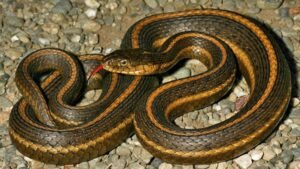
There are over 35 known species and subspecies of garter snakes. For example, the Ribbon Snake is one of the smallest, while the Valley Garter Snake can grow beyond 4 feet. This diversity shows how adaptable these snakes are to different climates and food sources.
6. Predator and Prey: Who Eats Garter Snakes?

Garter snakes are hunted by hawks, owls, foxes, and larger snakes. To defend themselves, they release a foul-smelling musk and flatten their bodies to appear larger. Some species even mimic venomous snakes’ colors to scare away predators — a clever survival tactic!
7. Calm but Cautious: Do Garter Snakes Bite?

Despite their reputation, garter snakes are usually calm and shy. When threatened, they prefer to escape rather than attack. Their gentle nature makes them popular as beginner-friendly pet snakes. They rarely bite unless handled roughly.
8. Camouflage and Mimicry

Garter snakes are experts in camouflage. Their striped bodies help them blend into grass and leaves. Some mimic venomous snakes, adopting similar color patterns to stay safe from predators. This natural disguise helps them survive in the wild.
9. Brumation: Garter Snakes’ Winter Rest
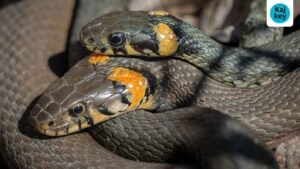
During winter, garter snakes enter brumation, a reptile form of hibernation. They hide underground or in rock crevices, often sharing dens with other snakes. This allows them to survive freezing temperatures and re-emerge in spring to feed and mate. North American snakes
10. Reproduction: Live Births Instead of Eggs

Unlike many other snakes, garter snakes are viviparous — they give birth to live young. Females can produce between 20 to 80 baby snakes at once! This adaptation helps their offspring survive harsh weather and predators. facts about snakes
These interesting facts about garter snakes show how adaptable and vital they are to their ecosystems. Whether living in wetlands or backyards, they help control pests and maintain balance in nature. garter snake facts
Explore more amazing animal stories and wildlife facts on our website kajkey.xyz.
According to experts at Wikipedia, garter snakes play a key role in controlling insect populations.